
5 Ways to Leave a Lasting Impression at Trials, that aren’t involving your physical performance.
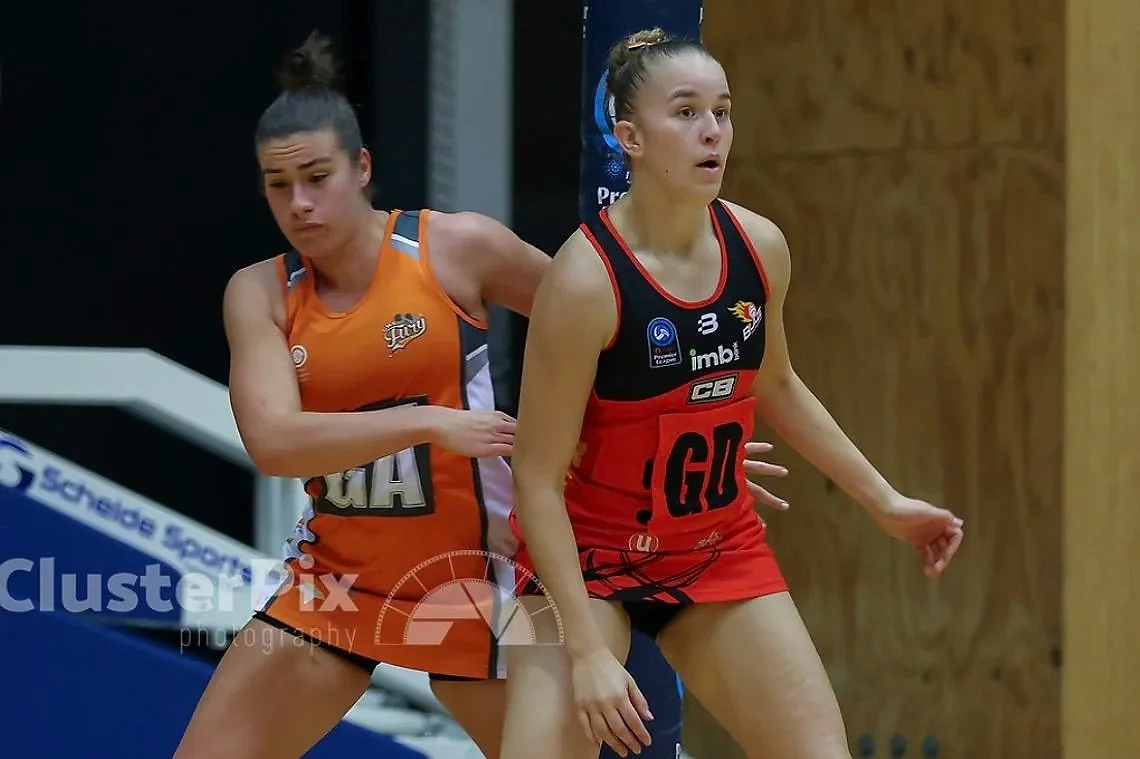
what’s really going to set you apart from the rest outside performance…?
Growing up in Dubbo, five hours from Sydney, I travelled to more trials than I can count without a single connection to the coaches or selectors in the room. No one knew my name. No one was watching out for me. I was just another athlete in a sea of athletes all wanting the same thing.
That experience taught me a lot, and so did the athletes I've learned from along the way, including Australian Diamond Kim Green. What I can tell you is this: your skills will only take you so far. How you carry yourself, present yourself, and behave in that room is what separates athletes who get remembered from those who don't.
Here are five things I wish someone had told me before I walked into my first trial.
1. Wear white or bright coloured shoes
This one sounds small. It's not. Black shoes make your feet look heavy and slow. Bright or white shoes draw the eye downward and make your footwork look sharper, faster, and more athletic. Selectors are watching dozens of athletes at once. Anything that directs their attention toward your movement is working in your favour.
2. Give them something to identify you by
At most trials, everyone is wearing the same coloured bib or uniform. So when a selector turns to their colleague and says "did you see number seven?" you want to be the athlete they're already describing as "the one with the bright ribbon" or "the one in the yellow socks."
Wear a bright hair ribbon. Bright socks. A coloured armband. Something small, legal within the dress code, and memorable. Make it easy for them to find you in their notes at the end of the day.
3. Always ask a question
If a selector, coach, or official asks whether you have any questions following an interview or interaction, the answer is always yes.
Always.
This is one of the most underused moments in any trial. Asking a thoughtful question signals that you are engaged, curious, and coachable. Coaches want to invest in athletes with an open mindset. You do not need to have the question prepared in advance. Listen carefully throughout the session and find something genuine to ask in the moment. There is always something worth asking.
4. Ask for feedback before you leave
If it is appropriate in the environment, approach selectors before you walk out the door and ask them directly: "Is there any feedback you can give me that I can take into my training?"
This one move does several things at once. It shows you are proactive and committed to improving. It demonstrates that you handle feedback professionally. And honestly, you never know where you sit in a selector's final decision. If it is between you and one other athlete, that moment of initiative and adaptability might be exactly what tips the scale.
The worst they can say is they cannot share anything at this stage. The upside is far greater than the risk.
5. Play for the team you are in that day
You are trialling for a spot. Every athlete around you is your competition. And that is exactly why this matters so much.
Encourage your teammates. Communicate on the court or field. Celebrate good play. High five. Be the person who lifts the group around them.
Selectors are not just looking for skill. They are building a team. They want athletes who slot in anywhere, contribute to culture, and lead without being asked to. Show them that is you, even when it costs you nothing to hold it back.
Trials are hard. They are nerve-wracking and often feel out of your control. But these five things are fully within your control every single time you walk into one. Use them.
Ready to train smarter?
Get a program written by a professional NOT from social media or AI !
Built for your sport, not just your gym. At Primed Performance, every program is designed around your specific position, training age, and season timeline.
Apply for coaching BELOW, because smart athletes work with smart coaches. @primed.performance
